The Ground Reality of Managed Farmland: What Really Happens After You Invest (Year 1 to Year 10 Breakdown)

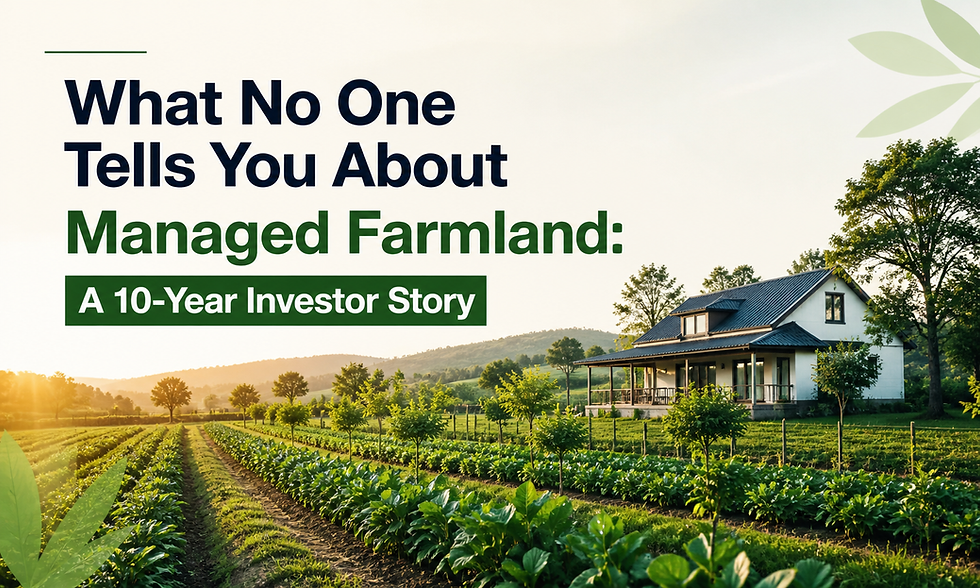
Managed farmland has quickly gained attention as a modern investment option, combining the stability of land ownership with the income potential of agriculture. Many investors are drawn by promises of passive income, tax benefits, and long-term appreciation. However, unlike traditional assets, farmland follows a slower, more natural growth cycle where returns depend on factors like crop maturity, soil health, and market conditions.
To make an informed decision, it is important to understand what truly happens after you invest. This guide breaks down the real journey of managed farmland from Year 1 to Year 10, helping you set practical expectations and avoid common misconceptions.
Year 0–1: The Setup Phase (Foundation, Not Profits)
The first year of managed farmland investment is entirely focused on building the foundation of your asset. This stage determines the long-term productivity and success of the land. While it may feel slow, this is the most critical phase where capital is actively deployed.
What Happens During This Phase
Legal verification and land registration process
Soil testing to assess fertility and nutrient levels
Land clearing, leveling, and preparation
Installation of irrigation systems like drip or sprinkler
Initial plantation of crops (fruits, vegetables, timber)
Basic infrastructure setup such as fencing and access roads
Investment Reality
No immediate financial returns
High upfront costs for development and setup
Focus is on long-term asset creation, not income generation
Why This Phase Matters
Strong soil and irrigation planning directly impact future yields
Poor setup can reduce productivity for years
Professional farm management plays a key role here
Year 1–3: The Development Phase (Slow but Steady Progress)
In this phase, your farmland begins transitioning from raw land into a productive ecosystem. Growth is visible, but financial returns remain limited. This is where patience becomes essential for investors.
What Happens During This Phase
Soil fertility improves through organic inputs and care
Short-term crops like vegetables may start generating small income
Fruit plants continue growing but are not yet fully productive
Ongoing maintenance, irrigation, and crop monitoring
Income Reality
Income is irregular and relatively low
Earnings may depend on seasonal crop cycles
A portion of income is often reinvested into farm upkeep
Key Challenges
Weather variability can affect crop output
Market price fluctuations impact revenue
Requires consistent management for healthy growth
Year 3–5: The Stabilization Phase (Income Begins)
This is the stage where your farmland starts becoming more stable and productive. The ecosystem is now better established, and income generation becomes more predictable compared to earlier years.
What Happens During This Phase
Fruit-bearing trees begin producing yields
Vegetable farming becomes more consistent
Soil health reaches a stable and productive level
Farm operations become smoother and more efficient
Income Reality
Moderate and more regular income starts flowing
Better predictability in crop cycles and output
Maintenance costs are still present but optimized
Why This Phase Is Important
Builds investor confidence with visible returns
Shows the effectiveness of farm management practices
Marks the transition from development to productivity
Year 5–10: The Wealth Creation Phase (Real Returns Unlock)
This is the most rewarding phase of managed farmland investment, where long-term planning starts paying off. By now, the farm has matured into a multi-income asset with strong growth potential.
What Happens During This Phase
Land value appreciates significantly over time
Fruit production reaches peak levels
Timber crops gain substantial value as they mature
Farm becomes largely self-sustaining
Income Reality
Multiple income streams:
Crop income (fruits and vegetables)
Land appreciation
Long-term timber value
Returns are stronger and more consistent
Wealth Drivers
Location and infrastructure development boost land value
Mature crops increase yield efficiency
Diversified farming reduces risk and improves stability
The Reality Most Companies Don’t Talk About
While managed farmland offers strong potential, there are practical challenges that investors must understand. These realities are often overlooked in promotional content but are crucial for informed decision-making.
1. Returns Are Not Immediate
Farmland takes time to become productive
Early years focus on development, not profits
2. Income Is Seasonal and Variable
Earnings depend on crop cycles and harvest periods
Unlike rent, income is not fixed or monthly
3. Weather and Market Risks Exist
Climate conditions directly affect yield
Crop prices fluctuate based on demand and supply
4. Management Quality Makes a Difference
Skilled farm management improves productivity
Poor execution can lead to lower returns
5. Liquidity Is Limited
Selling farmland may take time
Market demand varies by location
How Managed Farmland Reduces These Risks
Managed farmland models are designed to minimize risks through professional planning and execution. This structured approach makes farmland more accessible and less complex for investors.
Key Risk-Reduction Strategies
Scientific crop planning and multi-layer farming
Use of modern irrigation and soil management techniques
Regular monitoring and professional farm supervision
Diversification across multiple crops to reduce dependency
Operational Advantages
No need for investor involvement in daily farming
Better efficiency through experienced teams
Improved yield consistency over time
Long-Term Benefits
Reduced uncertainty compared to traditional farming
More predictable growth and returns
Stronger asset management framework
Example: Realistic 10-Year Investment Outlook
Understanding a practical investment scenario helps set realistic expectations. Managed farmland returns vary, but the overall pattern remains consistent across most projects.
Typical Investment Journey
Initial investment: ₹10–15 lakhs
Years 1–2: Development stage with no major returns
Years 3–5: Partial and growing income
Years 5–10: Strong returns from appreciation and crops
Return Components
Capital appreciation (primary driver)
Agricultural income (secondary support)
Long-term crop value (future gains)
Key Insight
Maximum value is realized over the long term
Short-term expectations can lead to disappointment
Managed Farmland vs Traditional Investments
Managed farmland stands out because it combines elements of real estate and agriculture. Understanding this comparison helps investors evaluate its true potential.
Comparison Factors
1. Nature of Investment
Farmland: Physical, tangible asset
Stocks: Market-linked financial instrument
2. Return Structure
Farmland: Appreciation + crop income
Mutual funds: Market returns only
3. Risk Level
Farmland: Moderate (with management)
Stocks: High volatility
4. Liquidity
Farmland: Low to moderate
Stocks: High
Final Comparison Insight
Farmland is ideal for long-term, stable growth
Stocks suit short-term and high-liquidity needs
Conclusion
Managed farmland is best viewed as a long-term investment that rewards patience rather than quick expectations. While the early years focus on development with limited returns, the later stages bring more stability through crop income and land appreciation. The real value lies in the combination of these factors over time.
For investors who are willing to stay committed for 5 to 10 years, managed farmland can offer a balanced mix of asset growth and passive income. Understanding the ground reality ensures smarter decisions and helps you invest with clarity, confidence, and realistic expectations.


Comments